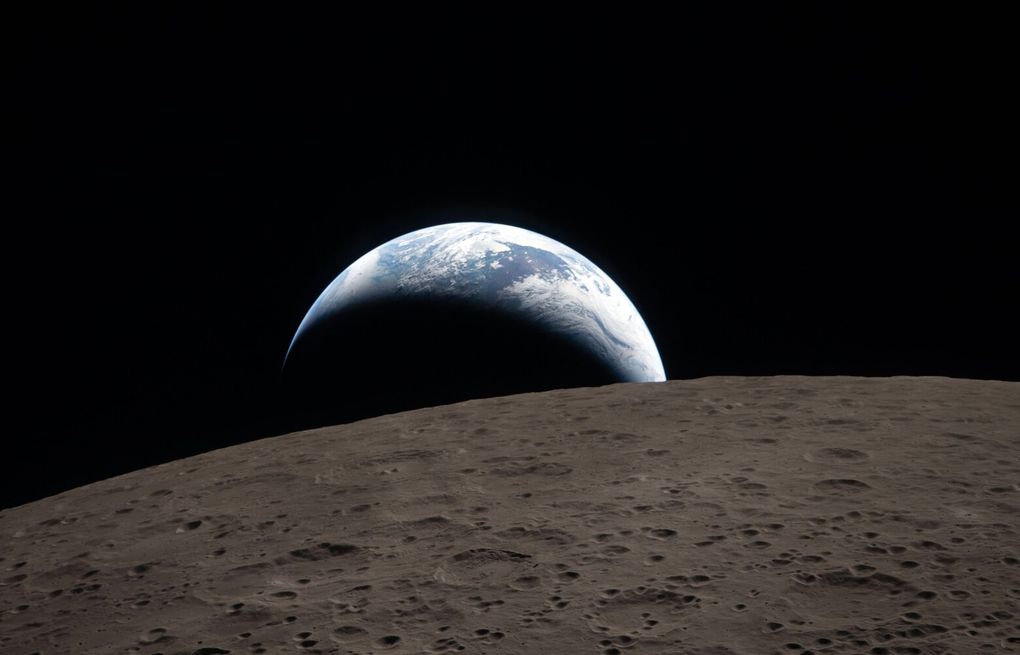
The Artemis moon flyby photos highlight a major shift in modern space exploration. However, capturing high-quality lunar visuals remains difficult. Extreme light contrast and deep-space distance create technical barriers. Therefore, advanced imaging systems now play a central role in mission success. Moreover, these innovations extend beyond space research. They are influencing automotive and EV technologies at a rapid pace.
Imaging Breakthroughs in Artemis Lunar Mission
Recent lunar visuals show how far imaging technology has evolved. Engineers designed high-resolution sensors to capture fine surface details. Additionally, improved optics allow better performance under harsh lighting conditions.
These improvements increase scientific accuracy. Consequently, researchers can study lunar terrain with greater clarity. Meanwhile, automotive companies are applying similar systems in modern vehicles. Camera-based safety features rely on comparable sensor technologies.
However, space imaging systems must survive extreme conditions. Radiation exposure and temperature swings require durable components. Therefore, these systems go beyond standard automotive requirements. Still, the technological overlap remains significant.
Artemis II Lunar Images and Scientific Precision
The Artemis II lunar images offer critical insights into the Moon’s surface. These visuals help scientists analyze craters, textures, and reflectivity patterns. Moreover, improved image clarity supports better mission planning.
Additionally, the mission captured rare moon flyby Earthrise photos. These images provide a unique view of Earth from deep space. Consequently, they hold both scientific and emotional value.
Meanwhile, EV manufacturers use similar imaging logic in perception systems. Cameras track surroundings and detect obstacles in real time. Therefore, advancements in space imaging directly improve vehicle safety technologies.
Orion Spacecraft Imaging and Engineering Excellence
The NASA Orion spacecraft images demonstrate advanced engineering capabilities. The spacecraft uses stabilization systems to capture clear visuals during high-speed movement. Therefore, it maintains image quality even in challenging conditions.
Moreover, onboard processing units manage large volumes of data efficiently. Consequently, scientists receive insights quickly and accurately. This capability supports faster decision-making during missions.
Similarly, EV systems depend on real-time data processing. Autonomous driving features require instant visual interpretation. Therefore, both industries prioritize speed, precision, and reliability.
Technology Transfer from Space to Automotive Industry
The Artemis moon flyby photos show how space innovation influences other industries. Technologies developed for lunar missions often transition into automotive applications. For example, imaging sensors designed for spacecraft now enhance vehicle safety systems.
Additionally, thermal management solutions used in space missions help improve EV battery efficiency. Consequently, cross-industry collaboration drives innovation.
However, cost remains a challenge. Space technology involves high development expenses. Meanwhile, automotive manufacturers focus on affordability. Therefore, adapting these innovations requires careful planning.
Sensor Innovation in Lunar Imaging Systems
Modern lunar missions rely on advanced sensor technology. These sensors capture detailed visuals with minimal noise. Additionally, they perform well under extreme lighting conditions.
Such improvements benefit automotive vision systems. EVs use cameras for lane detection, parking assistance, and collision avoidance. Consequently, improved sensors enhance safety and performance.
Moreover, sensor miniaturization reduces energy consumption. Therefore, both spacecraft and EVs benefit from efficient designs. This trend supports long-term sustainability goals.

Autonomous Navigation and Imaging Systems
Space missions depend heavily on imaging for navigation. Cameras help spacecraft maintain trajectory and avoid obstacles. Therefore, visual systems play a critical role in mission success.
Similarly, EVs rely on cameras for autonomous driving. AI systems analyze visual data to make driving decisions. Consequently, improvements in space imaging contribute to smarter vehicles.
However, reliability remains essential in both sectors. Any system failure can lead to serious consequences. Therefore, rigorous testing continues to be a priority.
Market and Innovation Impact of Artemis Mission
The Artemis mission lunar photography has strong economic and technological implications. High-quality visuals increase public interest in space programs. Moreover, they attract funding and support future missions.
Additionally, private companies are likely to adopt similar imaging technologies. Consequently, innovation will expand across industries. This trend benefits both space exploration and automotive development.
Meanwhile, EV manufacturers continue integrating advanced camera systems. These features improve safety and enhance user experience. Therefore, collaboration between industries becomes increasingly valuable.
Data Processing, AI, and Future Mobility Integration
The evolution of imaging technology also drives advancements in artificial intelligence. Space missions generate massive amounts of visual data. Therefore, efficient processing systems are essential.
Similarly, EVs rely on AI to interpret camera inputs. These systems detect objects, predict movement, and assist drivers. Consequently, improvements in space data processing influence automotive AI systems.
Moreover, edge computing plays a growing role in both sectors. Processing data closer to the source reduces latency. Therefore, real-time decision-making becomes more effective.
Additionally, software integration continues to evolve. Both spacecraft and EVs depend on advanced algorithms. Consequently, software innovation remains a key driver of progress.
Broader Implications of Artemis Moon Flyby Photos
The Artemis moon flyby photos represent more than a scientific milestone. They highlight how innovation spreads across industries. Moreover, they demonstrate the importance of long-term investment.
Additionally, both space exploration and EV development require continuous research. Therefore, collaboration between sectors accelerates progress. Shared knowledge leads to improved systems and greater efficiency.
Consequently, the future of innovation depends on cross-industry integration. Lessons from space missions will continue shaping automotive technologies. This connection ensures sustainable growth and technological advancement.
Reference Source:
This article references insights reported in:
https://www.nytimes.com/2026/04/07/science/nasa-artemis-moon-flyby-photos.html
For More News Click the Links Below:
Affordable Digital Nomad Countries to Live Well in 2026
30 Minutes Phone-Free Time: A Powerful Habit to Boost Productivity
AI Governance in Education Shapes Future School Systems


