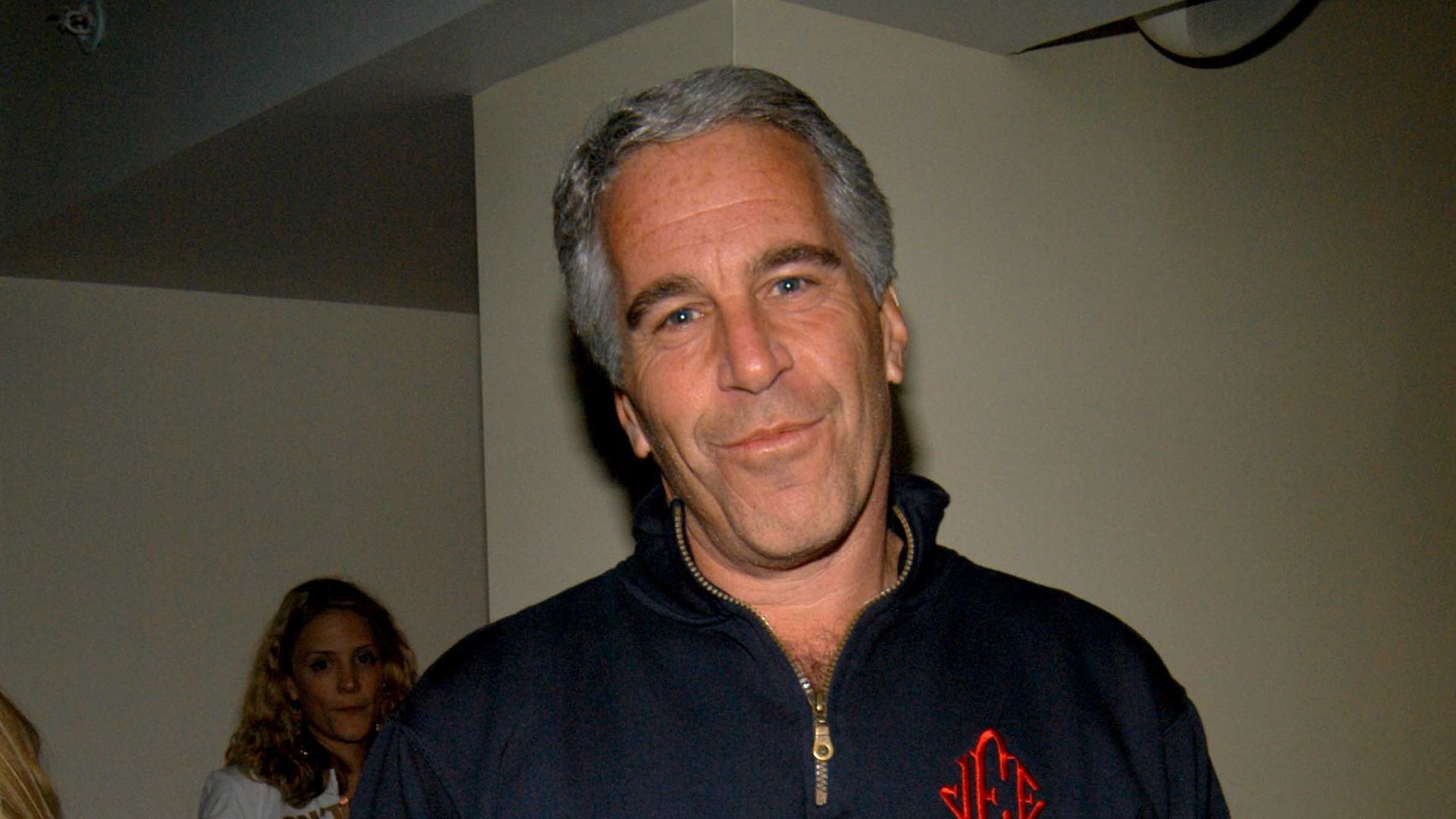
The Jeffrey Epstein plea deal continues to raise serious legal concerns. Many experts question how such a case resulted in lenient treatment. Moreover, newly released DOJ records highlight deeper institutional gaps. Therefore, this case now serves as a key example of accountability failures across systems.
Epstein Plea Agreement Exposes Legal Weaknesses
The Epstein plea agreement revealed major flaws in prosecutorial decisions. Authorities negotiated a deal that avoided stronger federal charges. Consequently, Epstein served limited time under unusual conditions.
However, this outcome did not reflect the seriousness of the allegations. Legal experts argue such deals weaken trust. Similarly, gaps in regulation can create risks in industries like automotive and EV sectors.
Moreover, transparency failures often lead to unequal outcomes. Therefore, stronger oversight is essential.
Jail Work Release in Epstein Case Sparks Criticism
The Epstein jail work release arrangement drew intense public backlash. Epstein was allowed to leave custody for extended daily periods. Additionally, he retained access to personal privileges.
This level of flexibility is rare. Consequently, it created a perception of unequal justice. Meanwhile, similar concerns arise when corporations receive favorable treatment.
However, officials claimed the arrangement followed rules. Even so, ethical concerns remained strong.
DOJ Investigation Files Reveal Key Decisions
The DOJ Epstein files provide insight into internal decision-making. These documents show concerns about trial risks and evidence limits. Therefore, prosecutors pursued a controlled legal outcome.

However, this strategy caused long-term reputational damage. It shaped a narrative of institutional failure. Moreover, internal discussions show awareness of criticism.
In automotive safety regulation, similar decisions occur. Companies balance risk and liability. Consequently, such choices impact public trust.
Florida Plea Agreement and Its Legal Impact
The Florida plea agreement played a central role in shaping the outcome. It limited federal prosecution under specific terms. Therefore, it reduced future legal action possibilities.
Legal experts believe this agreement created protective barriers. Additionally, it highlights jurisdictional complexity. Meanwhile, global automotive rules face similar fragmentation.
For example, EV companies must follow different regulations worldwide. Consequently, inconsistent enforcement can occur.
How the Epstein Case Affected Public Trust
The Epstein case significantly damaged public confidence. Many people viewed the outcome as unjust. Moreover, it raised concerns about influence in legal systems.
Trust remains essential in law and industry. For instance, automotive recalls depend on transparency. Therefore, credibility must remain a priority.
However, once trust declines, recovery becomes difficult. This case shows how one decision can shape long-term perception.
Plea Deal Controversy and Oversight Challenges
The Jeffrey Epstein plea deal also highlights broader oversight issues. In the EV sector, innovation often outpaces regulation. Therefore, gaps can emerge in compliance systems.
Similarly, legal systems must evolve to handle complex cases. Moreover, both sectors need continuous improvement. Without reform, structural risks remain.
Epstein Sentencing Deal and Risk Management Lessons
The Jeffrey Epstein plea deal offers important risk management insights. Prosecutors prioritized certainty over trial risks. However, that decision led to lasting criticism.
In automotive and EV industries, similar trade-offs exist. Companies balance innovation with compliance. Therefore, decisions must consider long-term impact.
Broader Implications of the Jeffrey Epstein Plea Deal
The Jeffrey Epstein plea deal remains a defining example of systemic imbalance. It shows how institutions can fail under pressure. Moreover, it highlights the need for transparency.
Additionally, public perception shapes institutional legitimacy. Therefore, consistent enforcement is essential. Meanwhile, industries like automotive and EV manufacturing face similar expectations.
Consequently, both legal and regulatory systems must evolve. Addressing structural weaknesses will help restore trust.
Reference Source:
This article references insights reported in:
https://www.cbsnews.com/news/jeffrey-epstein-plea-deal-jail-term-doj-files/
For More News Click the Links Below:
Affordable Digital Nomad Countries to Live Well in 2026
30 Minutes Phone-Free Time: A Powerful Habit to Boost Productivity
AI Governance in Education Shapes Future School Systems


