
Gardening success starts from the ground up. Whether you are growing vegetables, flowers, or herbs, the quality of your soil determines the outcome. Healthy soil gardening tips are essential for anyone who wants to grow strong, productive, and disease-resistant plants. Without proper soil care, even the best seeds and plants may struggle to survive. Soil is more than just dirt—it is a living ecosystem filled with microorganisms, nutrients, and organic matter. Understanding how to maintain and improve soil health can make a significant difference in your gardening results. In this guide, we will explore practical and effective ways to build healthy soil and ensure long-term success.
Understanding Soil Health
Healthy soil contains a balanced mix of minerals, organic matter, air, and water. It also supports a wide range of organisms such as bacteria, fungi, and earthworms that help break down nutrients.
Good soil should:
- Retain moisture without becoming waterlogged
- Allow roots to grow easily
- Provide essential nutrients
- Support microbial life
By following proper healthy soil gardening tips, you can create an environment where plants thrive naturally.
Soil Testing and Why It Matters
Before improving your soil, it’s important to understand its current condition. Soil testing helps identify nutrient levels and pH balance.
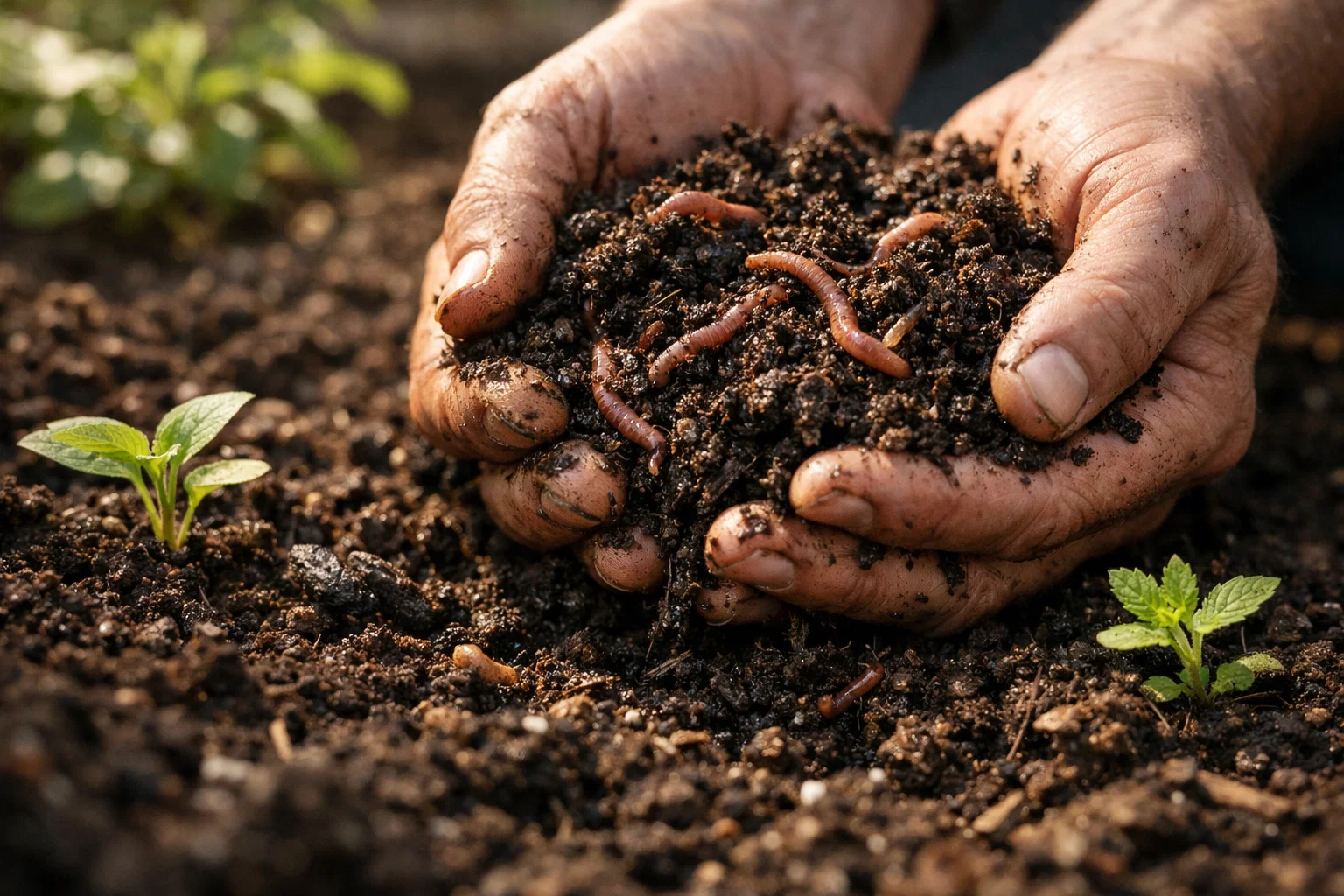
Healthy Soil Gardening Tips for Soil Testing
Testing your soil allows you to:
- Determine pH levels
- Identify nutrient deficiencies
- Avoid over-fertilization
- Choose the right plants
You can use home testing kits or send samples to a laboratory for detailed analysis. This step ensures that your efforts are targeted and effective.
The Power of Compost
Compost is one of the most valuable additions to any garden. It enriches the soil and improves its structure over time.
Adding compost:
- Increases nutrient availability
- Improves water retention
- Supports beneficial microorganisms
- Reduces the need for chemical fertilizers
Organic matter like kitchen scraps, leaves, and garden waste can be turned into compost, making it both eco-friendly and cost-effective.
Balancing Soil pH
Soil pH plays a crucial role in how plants absorb nutrients. Most plants prefer a slightly acidic to neutral pH.
Healthy Soil Gardening Tips for pH Balance
If your soil is too acidic or too alkaline, plants may not grow properly.
You can adjust pH by:
- Adding lime to raise pH
- Adding sulfur to lower pH
- Using organic matter to stabilize levels
Maintaining the right pH ensures that nutrients are available to plants.
Avoid Over-Tilling the Soil
While it may seem helpful, excessive tilling can damage soil structure and harm beneficial organisms.
Over-tilling can:
- Destroy microbial life
- Cause soil erosion
- Reduce moisture retention
Instead, use minimal disturbance techniques and allow natural processes to improve soil quality.
Using Mulch to Protect Soil
Mulching is a simple yet effective way to maintain soil health.
Benefits of mulch include:
- Retaining moisture
- Suppressing weeds
- Regulating soil temperature
- Preventing erosion
Materials like straw, leaves, and bark can be used as natural mulch.
Long-Term Soil Improvement
Building healthy soil is a gradual process. Quick fixes may provide temporary results, but long-term care is essential.
Top Healthy Soil Gardening Tips for Long-Term Success
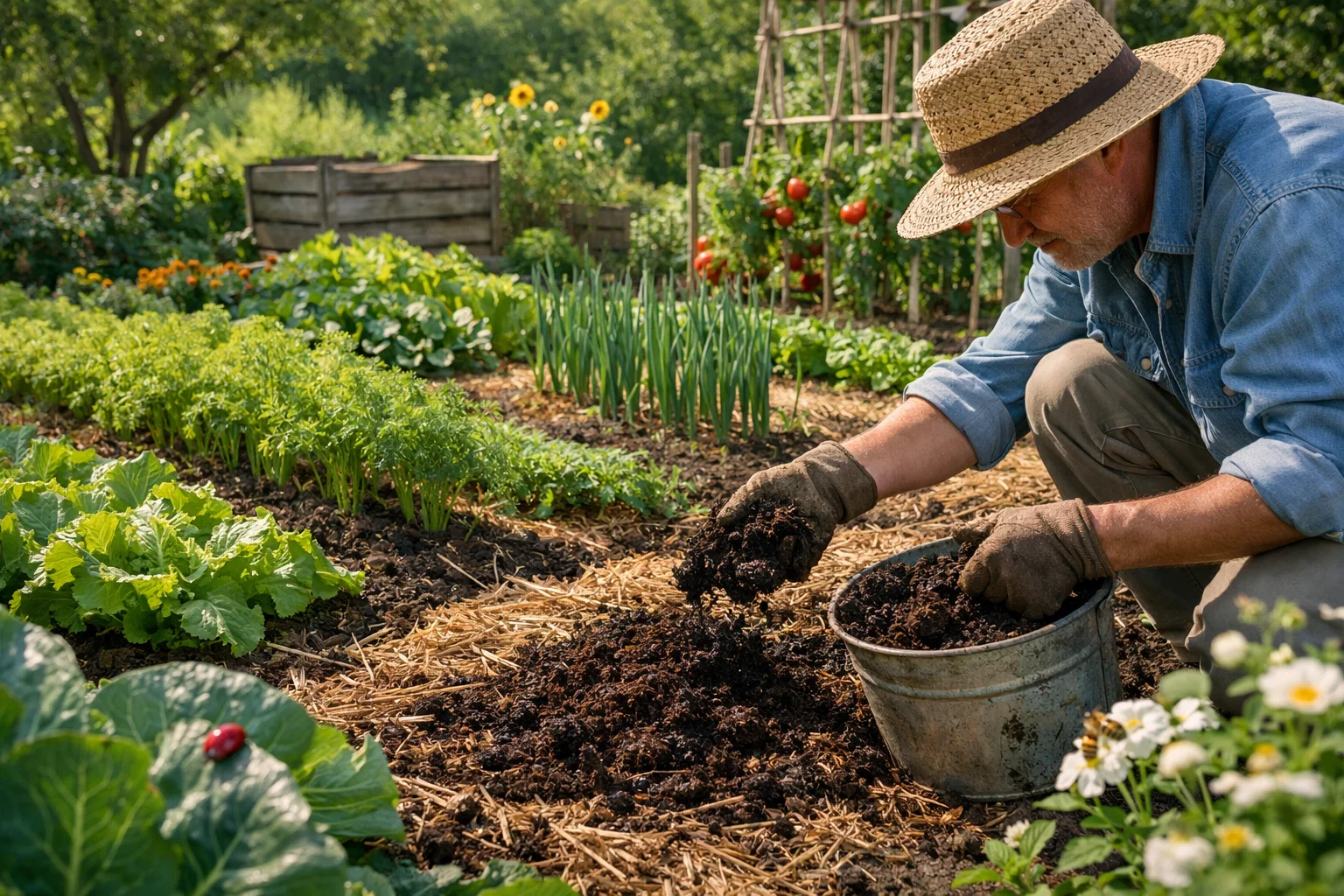
To maintain soil health:
- Rotate crops regularly
- Add organic matter consistently
- Avoid chemical overuse
- Encourage biodiversity
These practices help create a sustainable gardening system.
Benefits of Healthy Soil
Using healthy soil gardening tips provides multiple benefits:
Stronger Plants
Healthy soil promotes better root development and plant growth.
Better Water Efficiency
Improved soil retains water, reducing the need for frequent watering.
Natural Fertility
Organic matter provides nutrients without harmful chemicals.
Environmental Benefits
Healthy soil supports ecosystems and reduces pollution.
Common Mistakes to Avoid
Many gardeners unknowingly harm their soil. Avoid these mistakes:
- Overusing chemical fertilizers
- Ignoring soil testing
- Overwatering or underwatering
- Removing organic matter
Correcting these habits can significantly improve soil quality.
Organic vs Chemical Methods
Organic methods focus on long-term sustainability, while chemical methods offer quick results.
Organic approaches:
- Improve soil structure
- Support beneficial organisms
- Provide lasting fertility
Chemical methods may boost growth temporarily but can damage soil over time.
Future of Sustainable Gardening
As awareness grows, more people are adopting sustainable gardening practices. The focus is shifting toward soil health, organic inputs, and eco-friendly techniques.
By following healthy soil gardening tips, gardeners can contribute to a healthier environment while improving their own results.
Conclusion
Healthy soil is the foundation of successful gardening. By understanding its composition and taking steps to improve it, you can grow stronger and more productive plants.
The healthy soil gardening tips discussed in this guide provide a practical approach to building and maintaining soil health. From composting to pH balancing and proper care, these strategies ensure long-term success.
With patience and consistency, anyone can transform their garden into a thriving, sustainable space.