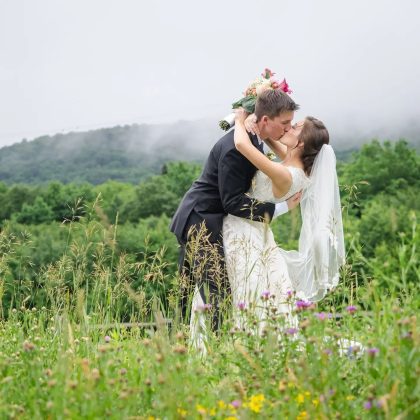
Planning a wedding celebration involves making hundreds of styling decisions. One common struggle is choosing between documentary and traditional photography coverage. Finding the right Vermont Wedding Photographer ensures your final image gallery matches your aesthetic vision. The wrong style can leave you with images that feel stiff or miss important family memories. Understanding these differences helps you avoid regrets when reviewing your album later. Let us explore how these creative approaches impact your wedding day timeline.
Common Mistakes When Selecting an Artistic Style
Many couples choose an artist based entirely on a single social media post. They fail to look at a complete gallery from a real wedding. This makes it difficult to see how the camera operator handles shifting light.
Other couples assume every professional shoots in the exact same manner. They do not realize that some artists refuse to offer rigid direction. If you want classic family portraits, a pure documentary shooter might disappoint you.
Conversely, a strictly traditional professional might miss quiet, unscripted emotional exchanges. They focus primarily on a pre-determined checklist of standard poses. Balancing these desires requires clear communication before booking your vendor.
Why Style Selection Matters for Your New England Event
Your choice of style alters the entire flow of your celebration. Traditional coverage requires dedicated blocks of time for staging. You will spend a portion of your cocktail hour arranging family members.
A skilled Vermont Wedding Photographer knows how to streamline this process. They keep portraits efficient so you can enjoy your guests. This balance is crucial for maintaining a relaxed, celebratory mood.
Documentary coverage allows events to unfold naturally without constant interruptions. The camera operator blends into the background to capture raw laughter and tears. This approach yields highly authentic results that reflect real emotions.
Comparing the Two Primary Visual Approaches
Traditional photography relies heavily on classic composition and intentional direction. The professional looks for clean backdrops, perfect body alignment, and synchronized smiles. This structured methodology produces elegant, editorial galleries.
Documentary styling prioritizes raw storytelling over technical perfection. The camera operator captures events in motion without altering the environment. This results in deeply candid memories that show genuine human connections.
Many modern couples prefer a hybrid approach for their celebration. They get the safety of classic portraits alongside spontaneous action shots. This combination ensures a well-rounded and deeply satisfying final wedding album.
Essential Checklists for Planning Your Coverage Time
Securing comprehensive coverage ensures no milestone is overlooked. You need a team that documents everything from morning preparations to the final exit. This requires careful coordination with your venue coordinator.
Investing in full day wedding photography coverage in Vermont guarantees total peace of mind. Your team will have the freedom to capture spontaneous late-night dancing. They will not be rushing to pack up before the cake cutting.
A complete timeline accommodates both classic family groupings and candid moments. It allows you to breath between events instead of rushing through your schedule. Clear time blocks keep the entire wedding party calm and focused.
What Your Vermont Wedding Photographer Looks For
An experienced regional artist understands how to leverage local architecture. They use old wooden beams, historic fireplaces, and grand staircases to add historical depth. This framing makes your portraits look deeply rooted in New England charm.
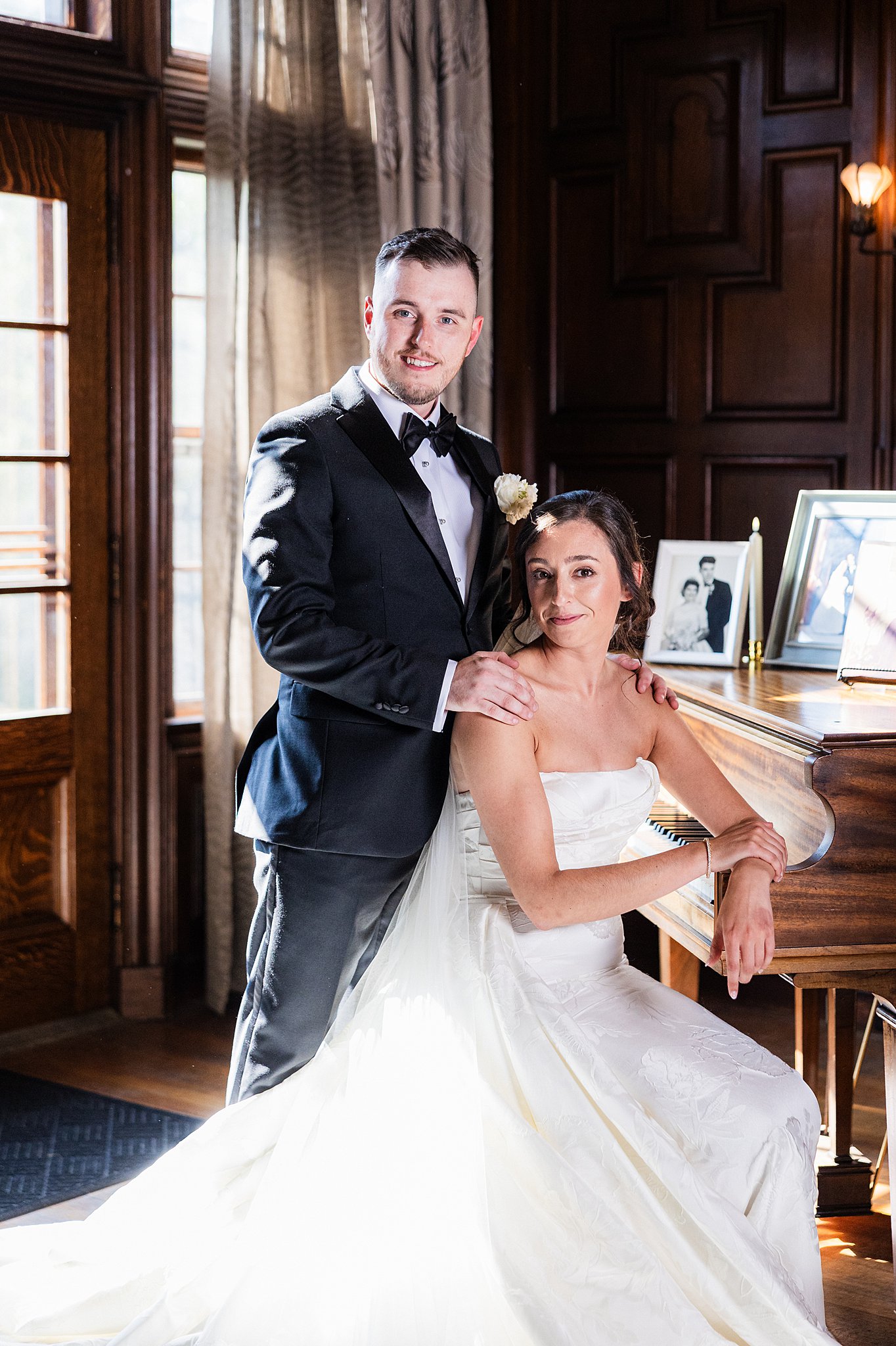
A professional Vermont Wedding Photographer looks for soft indoor lighting. They utilize natural window light or warm lamps to create a romantic atmosphere. This careful attention to lighting design ensures your dress details stand out beautifully.
They also watch your natural physical interactions as a couple. They capture the gentle hand placements and quiet smiles when you think no one is looking. These small details form the core of your visual legacy.
How to Choose Your Perfect Visual Storyteller
Review full wedding galleries to evaluate consistency across a whole day. Look for clean exposure, sharp focus, and pleasing color tones in various rooms. Ensure the team can handle dark reception halls as easily as bright outdoor sunshine.
If you want an elegant, high-end look, prioritize creators who master indoor lighting. They build Timeless Wedding Imagery Vermont families can pass down for generations. The final imagery should feel both artistic and deeply personal to your journey.
Take the time to talk with your prospective vendor about your budget goals. Many elite studios offer customizable packages tailored to your specific needs. Finding a team that aligns with your personality guarantees a stress-free experience.
3 SEO-Focused FAQs
Q1: What is the main difference between documentary and traditional wedding photography?
A: Traditional photography relies on intentional posing and curated direction for classic portraits. Documentary photography captures unscripted, candid moments naturally as they unfold throughout the day.
Q2: How many hours of photography coverage do I need for a standard wedding?
A: Most couples need eight to ten hours of coverage. This ensures complete documentation from early morning preparation through the main reception events.
Q3: Can I get both candid shots and formal family portraits in my package?
A: Yes, most modern wedding professionals offer a hybrid approach that blends formal portraits with artistic documentary storytelling.