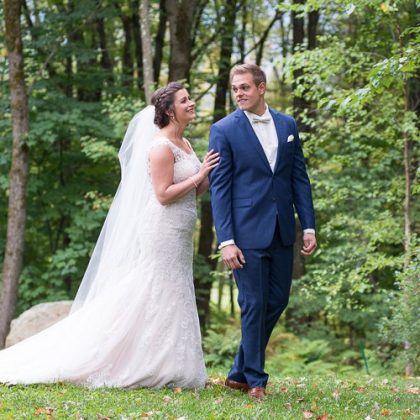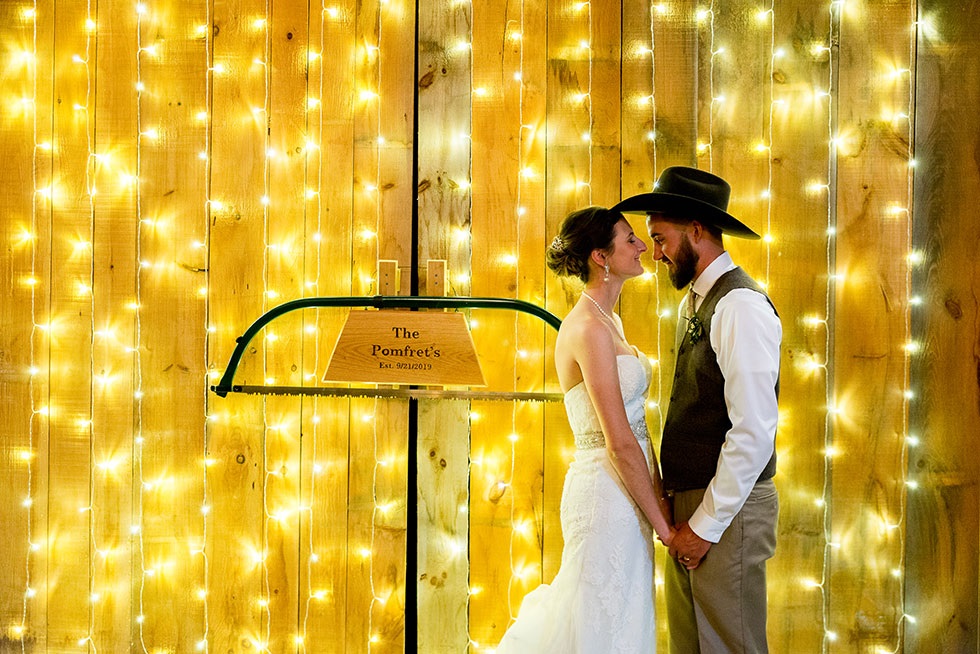
Planning a wedding in Vermont can be one of the most exciting yet challenging experiences of your life. Among the many decisions couples make, securing affordable wedding photography that still delivers beautiful, timeless images is a top priority. Vermont’s varied landscapes—from rolling green mountains to scenic fall foliage backdrops—make wedding photos especially stunning, but they also mean thoughtful planning and budgeting are essential.
This guide will walk you through what to expect from affordable wedding photography VT, how pricing generally works, and how to make your wedding photo budget work for you. We’ll also integrate the wedding guide & timeline VT approach so your photography flows seamlessly with the rest of your celebration.
Why Photography Matters in Vermont
Your wedding images are the memories you’ll revisit for years to come. Whether you’re surrounded by the green peaks of summer, the vibrant reds and oranges of autumn, or a snowy winter landscape, capturing these moments requires an experienced professional who knows how to work with natural light, changing weather, and moving moments.
Choosing a portrait gallery doesn’t mean sacrificing quality. It means finding a photographer who knows how to maximize the beauty of your venue and schedule while staying within your budget.
Understanding Wedding Photographer Cost
Most affordable wedding photography VT prices vary widely based on factors such as experience, hours of coverage, number of shooters, and deliverables like albums or engagement sessions. On average:
- Multi-hour wedding coverage packages in Vermont often range from approximately $2,500 to $6,500 for standard wedding day services.
- Shorter elopement and micro-wedding coverage might start lower, with around 2–4 hours of photographic time.
- Comprehensive full-day packages (often including engagement sessions and albums) typically sit at the higher end of the spectrum.
This general wedding photographer cost reflects the time before, during, and after the event—including planning consultations, shooting the day’s events, and professional editing.
Creating Your Photography Timeline
Incorporating photography into your overall wedding timeline—much like the Wedding Guide & Timeline VT concept—ensures that important moments are captured without stress:
Photography Planning Milestones:
- 6–12 months before: Confirm photographic coverage hours and style that fit your venue and seasonal conditions.
- 3–4 months before: Schedule engagement portraits (if included).
- Wedding day timeline tips: Allow time for getting-ready photos, couple portraits, group shots, and sunset photos; build buffer time for travel and weather delays.
- Post-Wedding: Expect delivery of edited galleries within a few weeks to a few months, depending on your contract.
Building this timeline with your photographer ensures you’re not rushing key moments like first looks, family portraits, or reception highlights.
Tips for Staying Within Budget
Here are practical ways to make affordable wedding photography VT work for your celebration:
- Prioritize coverage: Focus on the parts of the day most important to you (e.g., ceremony, portraits) and reduce hours elsewhere.
- Consider off-peak dates: Non-Saturday weddings often have more availability and lower rates.
- Negotiate deliverables: Ask about digital galleries only or scaled packages that still capture the essence of your day.
Frequently asked questions
Q: How much should I budget for wedding photography in VT?
A: Most couples budget between $2,500 and $6,500, depending on hours and deliverables.
Q: Does affordable photography mean lower quality?
A: Not necessarily—careful planning and clear expectations can yield excellent photos at reasonable prices.
Q: How far in advance should I book a photographer?
A: Aim for at least 9–12 months ahead, especially for summer and fall dates.
Q: What should be included in photo coverage?
A: Common inclusions are ceremony, portraits, reception, and editing of high-resolution images.
Q: How does the season affect pricing?
A: Peak fall and summer weekends often have higher demand, which can raise rates slightly.